Rehearse the future before reality makes it expensive
I design rehearsal environments where leaders, teams, and institutions can think together, test decisions before they become costly, and move through uncertainty with more clarity, trust, and consequence.
United Nations programs, International cultural projects, University teaching, XR/transmedia collaboration, and executive facilitation.
What I build
Strategic Simulation Labs
Rehearsal environments for leadership teams where strategy becomes a practiced discipline, not a persuasive deck.
Worldbuilding for Institutions
Narrative, culture, governance, and operational logic aligned into a coherent world people can actually inhabit.
Hybrid Experience Systems
Live performance, audience agency, and technology designed as one authored system rather than competing layers.
Featured case studies
AURORA
A hybrid performance system that orchestrates myth, music, audience agency, AR, mobile game mechanics, and AI avatars into one coherent authored experience.
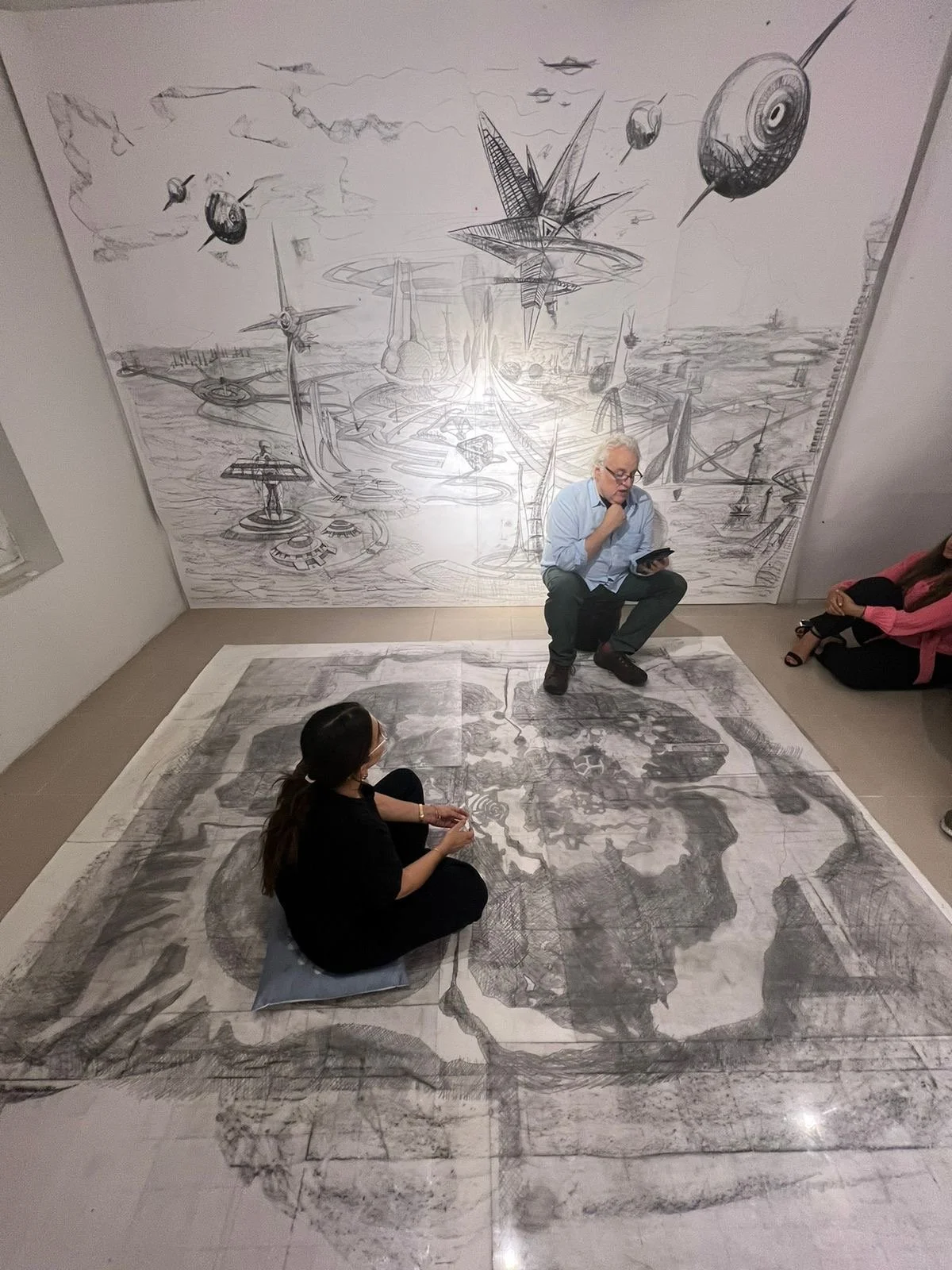
United Nations (UNAMI), Iraq
Designing rehearsal systems for civic participation through ARGs, game-based training, transmedia collaboration, and youth-led climate action.
Why rehearsal matters
Leadership rarely fails because people are incapable. It fails because the environment rewards speed over judgment, performance over truth, and individual certainty over shared sensemaking. I design environments where people can slow down enough to see the system they are inside, rehearse meaningful choices, and build the shared language required to move under uncertainty.
How I work
1. Diagnose the current system - what it rewards, what it suppresses, and which hidden simulations already govern behavior.
2. Design the rehearsal world - roles, rules, interfaces, thresholds, and feedback loops that make choices visible.
3. Run the experience - facilitate the simulation and surface what is usually invisible.
4. Translate to operations - turn insight into repeatable practices, language, and structures the organization can keep using.
Testimonials
“Their attention to detail and commitment to quality truly stood out. We’ve already recommended them to others.”
— Former Customer“Communication was top-notch and the final outcome was even better than we imagined. A great experience all around.”
— Former Customer“Every detail was thoughtfully executed. We're thrilled with the outcome.”
— Former CustomerIf you want change that holds, start with the environment that produces behavior.
Reputation isn’t what you say it is. It’s the behavior your environment produces.
In 2003, I was Dean of Theater and Film at Purchase College, one of the United States’s premier arts conservatories
It was a role to build continuity. Produce the seasons. Support the conservatory. Keep the standards high. But the future didn’t arrive with an announcement; it appeared as a glitch in the system already in use.
The old model assumed a story lived in one place - a play on a stage or a film on a screen. But audiences and students were already experiencing story across multiple touchpoints: live performance, video, phones, and physical space — and they wanted to engage, not just watch.
Students were thinking beyond stage and screen. Audiences were arriving with devices, networks, and expectations of participation. I realized that “show” could begin online, move through physical space, and continue afterward as a shared world in multiple mediums.
That is the shift that needed to happen, and I could not ignore: from audience as spectator to reader/audience/player, and from stories as finished works to storyworlds designed as systems.
These changes were not speculative. They were operational. Yet they were rarely reflected in how institutions taught storytelling or prepared leaders to work across media systems.
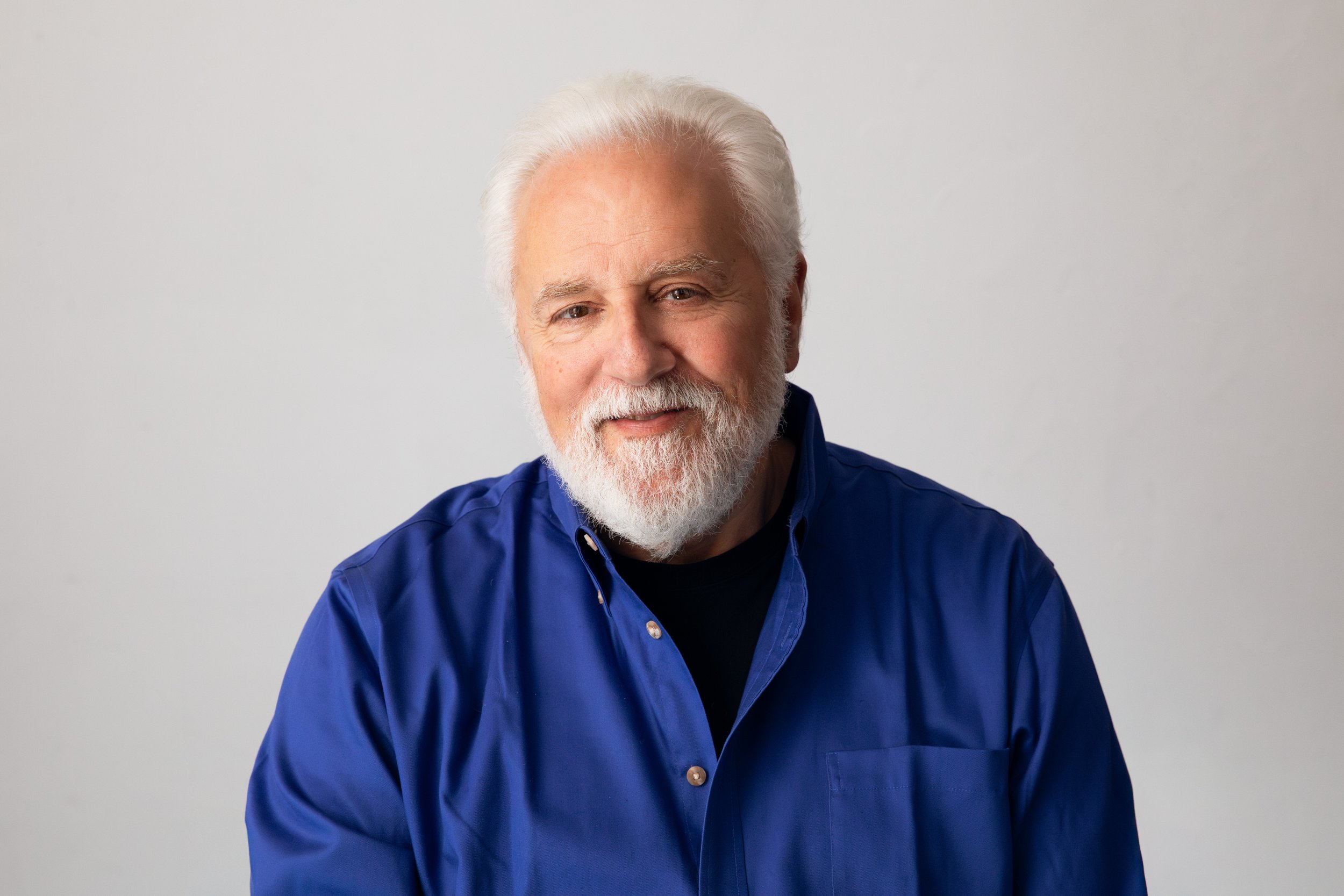
Leaving the deanship wasn’t about abandoning institutions; it was a decision to meet them where the world had already moved. It was about shifting my focus from running a conservatory to doing the work that felt urgent: designing immersive, cross-media story experiences that match how people actually engage with narrative now.
I began working across immersive performance, transmedia storytelling, AR, and AI-enabled narrative systems. My focus has been on helping organizations align narrative, space, behavior, and technology into coherent systems that can be governed, scaled, and sustained.
When a story spreads across platforms and invites people to participate, a storyworld emerges. The real work is designing that world deliberately
Blog